Hydroelectric energy harnesses the power of water
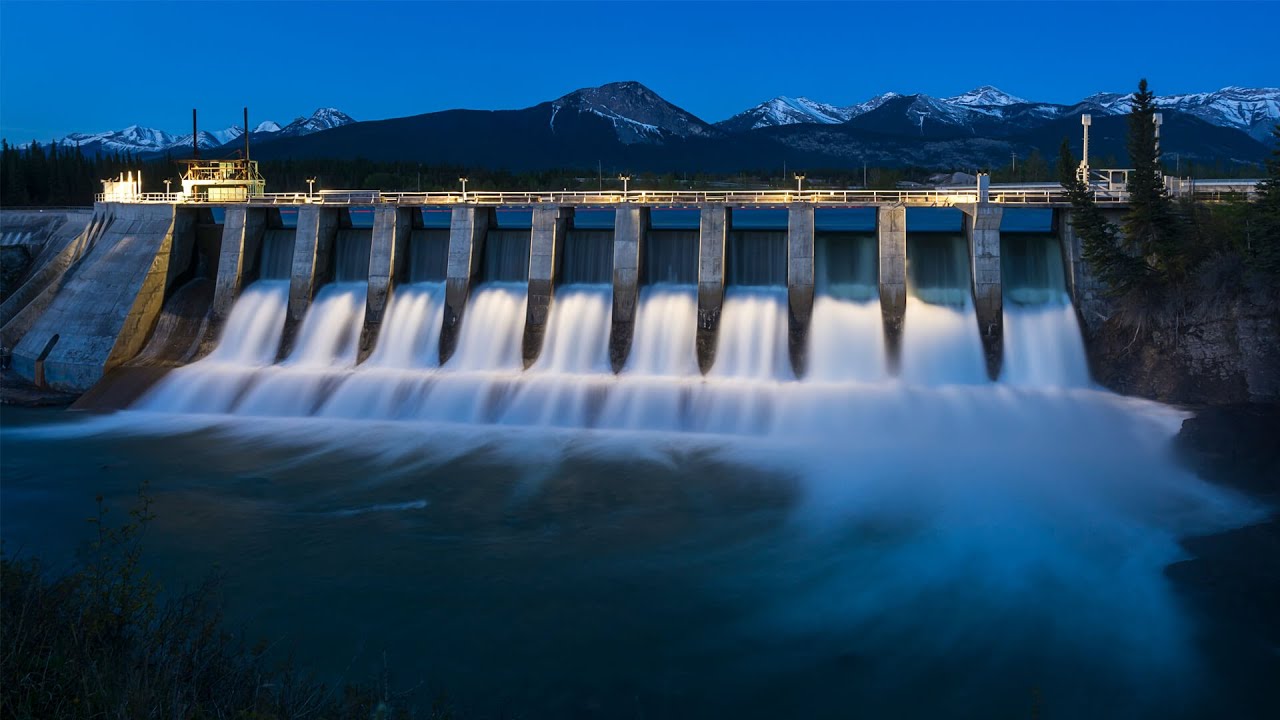
Hydroelectric power plants convert the potential or kinetic energy of water into electrical energy. Water directed by a height difference or flow rate moves the turbine blades.
The turbine creates mechanical energy
When pressurized or high-flow water reaches the turbine, rotational motion is created. The turbine type is selected according to water flow, head height and the technical characteristics of the plant.
The generator produces electricity
The mechanical movement created by the turbine is transferred to the generator, where it is converted into electrical energy. The generated power can then be delivered to the grid after passing through the required transformation and protection systems.
Infrastructure and control systems are critical
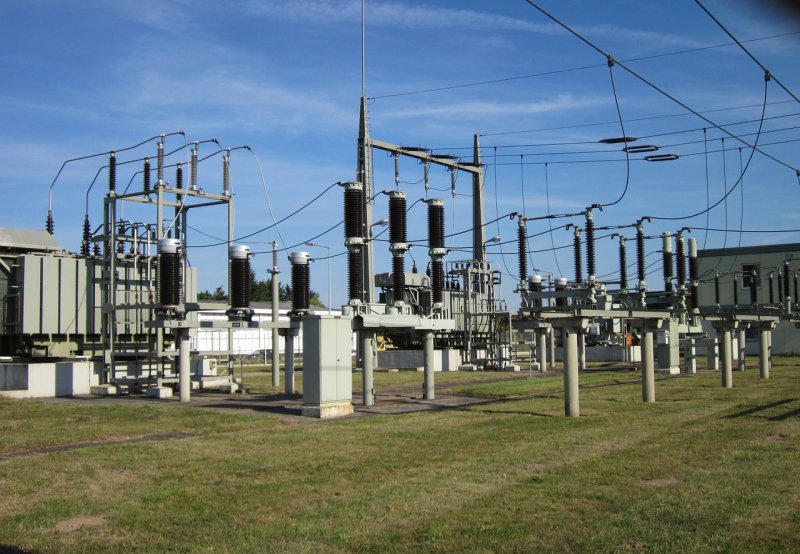
A hydroelectric project depends not only on turbines and generators, but also on transformers, switchgear, transmission lines, control equipment and protection infrastructure for safe and reliable operation.